

The Pilot: a Community Conversation about Boys, Belonging, & the Future
What Happened Last December (2025) & What's Next

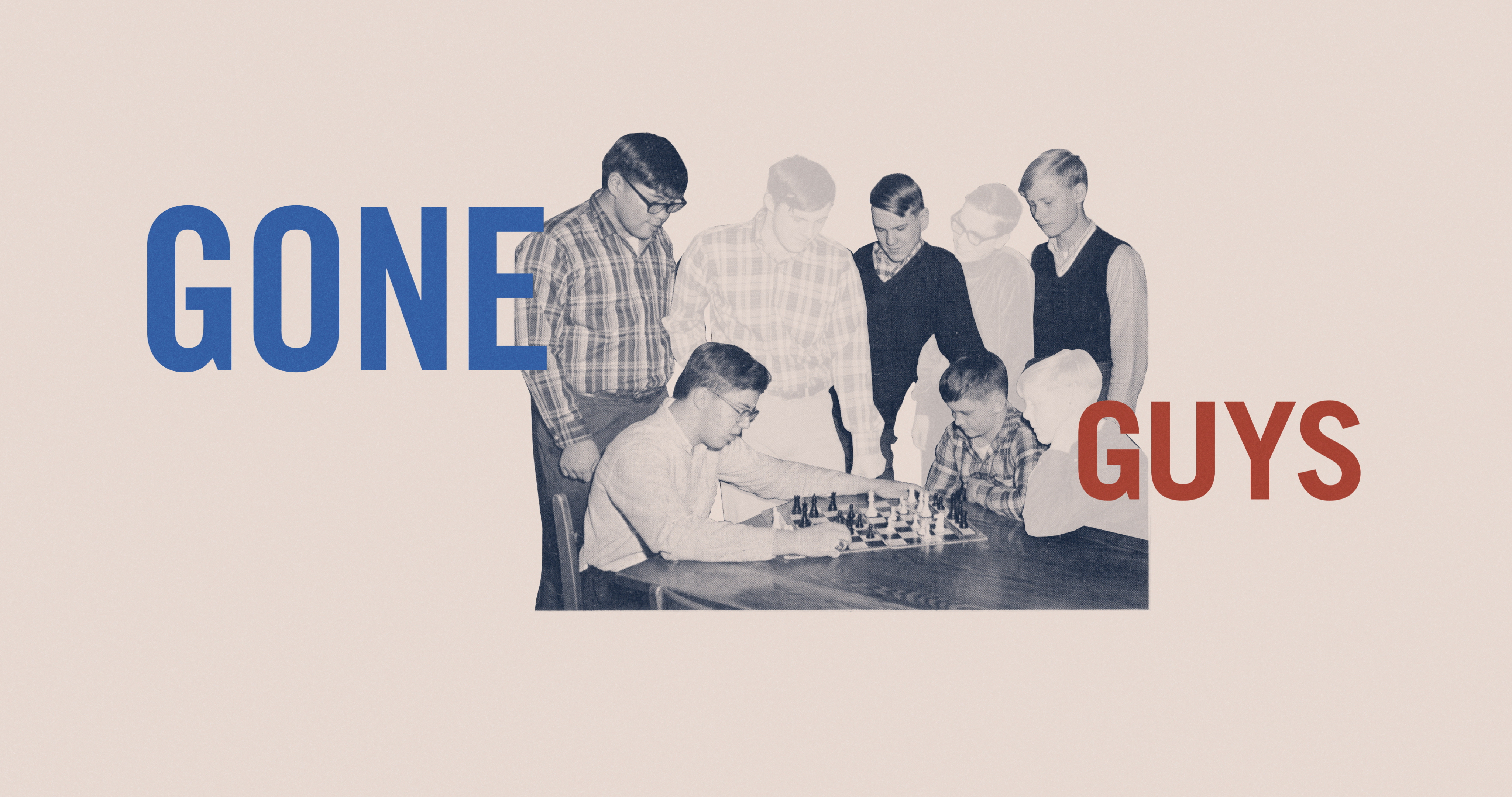
I get to put my son to bed most days every week. He’s almost 6 years old now—we go through phases of rituals. After the usual jammies on and teeth brushed, the most recent ritual is to read a short story and then lie down in his bed together so he can fall asleep. Once our heads hit the pillow, he asks me to tell him another story, this time from my memory or imagination while his eyes are closed.
I’ve shared versions of stories about King Arthur, Iron John, and Bilbo Baggins. These stories bring me to life and give him a chance to hear the whispers of cycles, right before he enters the dream cycle. We might pause with Bilbo stealing the ring from Smaug, the dragon. And the next night we might encounter Golem who whispers of the ring as his “precious.” While the next night we might meet the old race of trees that walk and talk. Cycles of beginnings and endings. And then new beginnings followed by endings. And on and on, marking each pause with a “goodnight” and “sleep well.”
For this story I’m about to share with you, let’s continue from where we started in my last piece…

We left off here:
We have a pilot in early December (2025) to test the waters and better understand the needs of key stakeholders in this matter of boys and young men. We’ve invited about 20 folks (teachers, parents, students) to get a sense for how a larger conversation may go. Our “innovation” (if it is that) is to ensure that high school students and recent graduates are included in the formation of what is needed.
Today’s story is called…
The Pilot: a Community Conversation about Boys, Belonging, & the Future
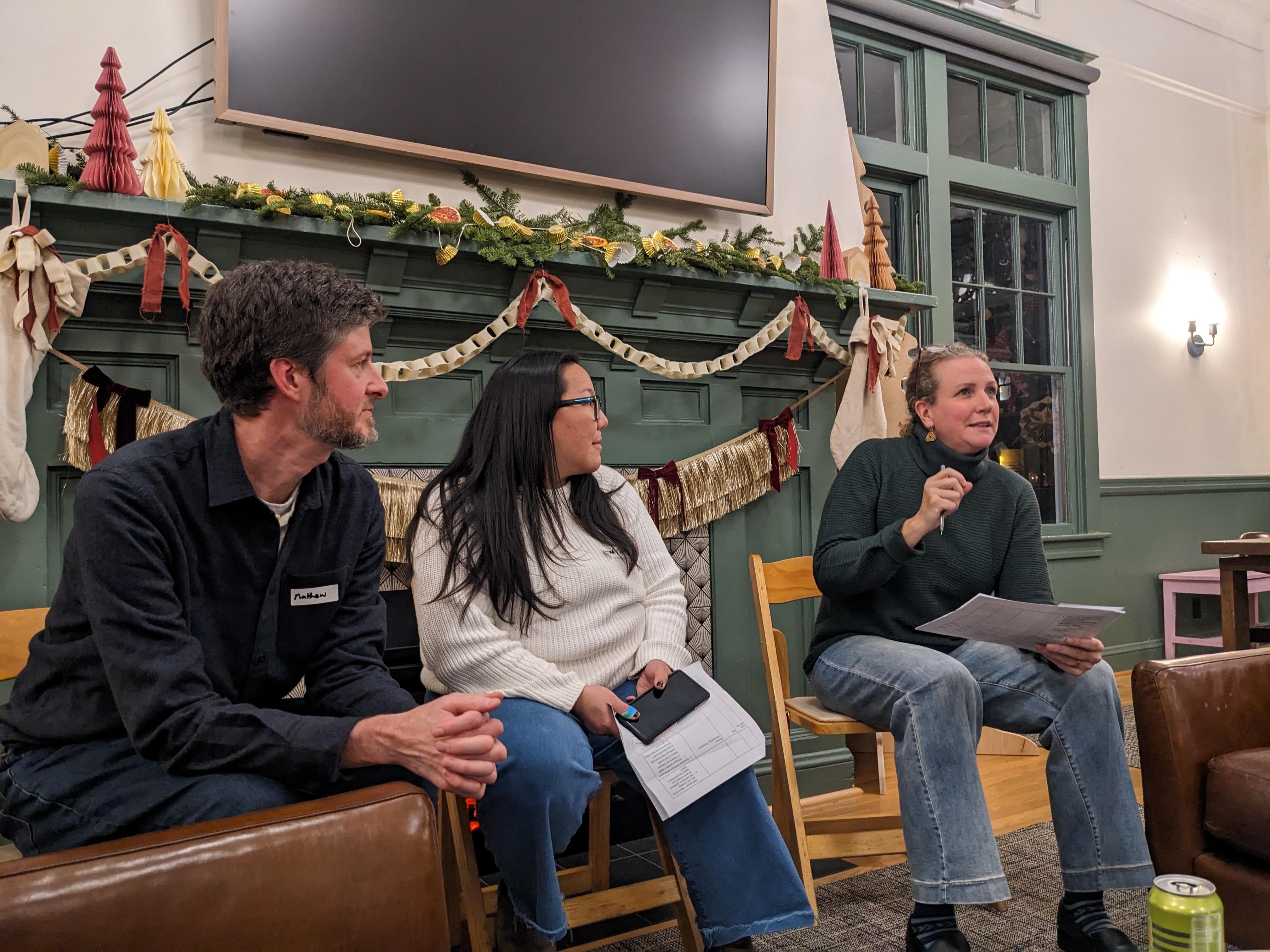
Myself, Wendy Sue Horn, and Gaye Chapman (above photo) had designed the pilot to take place in December 2025 at the Sellwood Community House—a building with a 100+ year history of serving the community. First built as a YMCA in 1910, the building’s original purpose was, “housing a residential hotel for the men who worked in the old Sellwood Log Mill,… and a thriving basketball program for youth boys.”
These were our desired outcomes for our pilot:
Shared clarity and focus on the core issues affecting boys and young men (i.e. what is most urgent?)…
Clarity around what parents and teachers and young men are feeling and needing…
A sense of connection between people in the group…
…so that we understand what might be scaled for a larger event.
We were a small group of 19 people:
7 parents,
6 high school teachers,
and 6 high school students / recent graduates.
The agenda flow was simple:
Connect,
Watch a documentary called Gone Guys,
Process our experience in breakout groups,
Come together and share our take-aways.
What We Heard
Given the size of our group, we gave each person a chance to share what brought them to the pilot.
One parent said:
When people, especially trusted adults, are silent on the topics that are important to young people, others—sometimes dangerous and extreme—will fill the void.
One young man said:
I notice a lot of young men in my community and social circles who are very emotionally disconnected and who lack support systems. A lot of the time they have a close group of friends but not many of those people are willing to open up or provide support when it comes to uncomfortable or emotional topics.
One teacher said:
I’ve heard testimony from women and girls and LGBTQ folks that have demonstrated to me the need for young men to relearn how to be their full selves and to re-educate them on social norms. Beyond this though I've come to understand that young men in our community really want connection and to feel safe to be vulnerable to explore their full humanity.
Gone Guys
Then we watched the film (trailer below)…
Breakout Groups
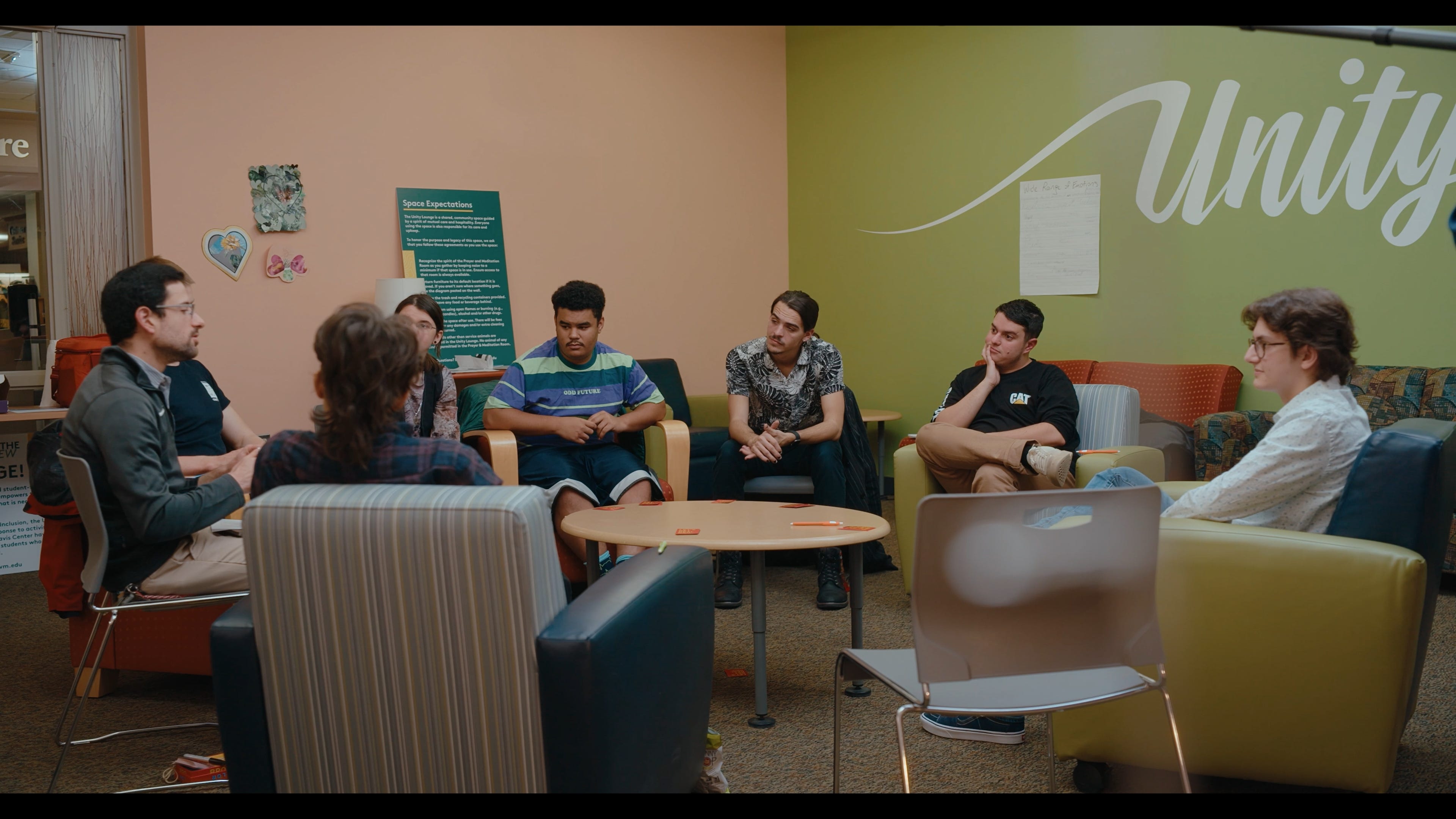
I had the pleasure of facilitating one of three breakout groups. My favorite part was hearing distinctions from a young man or a teacher that helped a parent understand the topic more deeply. For example:
“As a young man, I feel like as we grow up there is a diminishment in the emotional support that is available. Some of this is due to cultural stigma and some of it is personal.”
and
“In our schools, there is room to make spaces for young men. It’s much harder to get them into a new space than it is to simply provide access to something where they already are.”
Larger Share
When we got back together, we shared answers to these questions:
What do you feel is the biggest challenge facing boys and young men today?
Emotional isolation;
Cultural stigmas;
Connecting boys with other communities;
Stereotypes of what it means to be a man;
(for others) Not knowing what to do when boys do show emotion.
What do you dream for our boys and young men?
To be more honest, open, and vulnerable when communicating with another male;
Self-care / taking care of themselves;
Knowing themselves better—being able to guard themselves against self-serving influencers;
Men and boys supporting each other;
Connection—less loneliness.
What is one way we might get there?
All groups landed on this:
Creating accessible spaces for boys and young men…
which then expanded into …and men, and dads, and parents with sons, etc.
Starting young (teenage is too late):
Getting them interacting with their passions;
Getting (and staying) off screens;
Socializing (in person).
The pilot had done its job. Now it was time to plan the larger event.
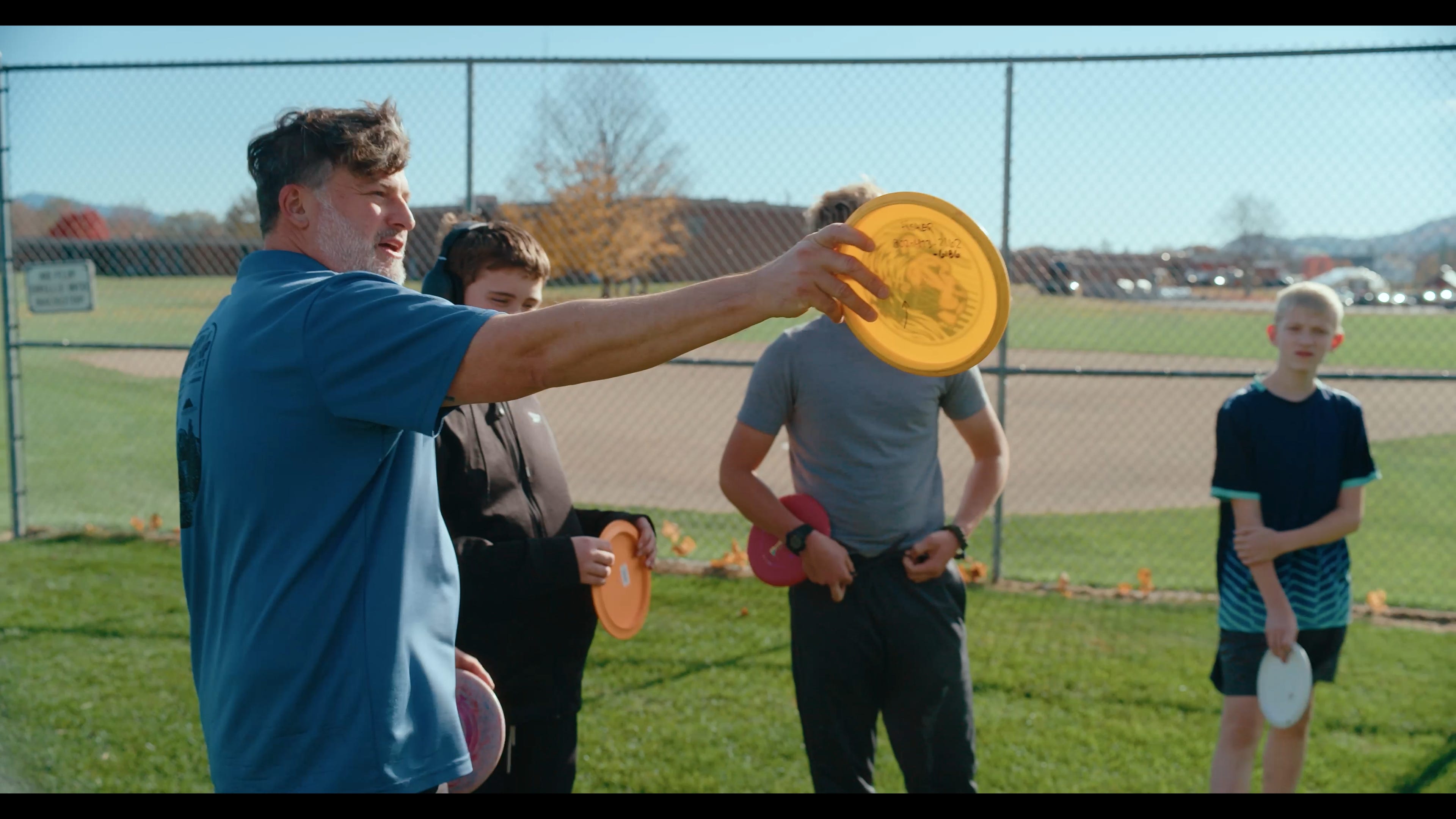
Larger Event Plan
Over several weeks, Gaye, Wendy Sue and I got together for tea about once each week. We always started the same way, with a personal check in. A moment of humanity (and often humility) to ground in ourselves and evoke the kind of openness and support that we wish for our boys and young men.
The event may draw 100–200 people, with representation from our core groups of parents, students, and educators.
We have similar desired outcomes:
Shared clarity and focus on the core issues affecting our local boys and young men;
Clarity around what parents, teachers, students are feeling and needing;
A sense of connection between people— a “coalition of the willing”;
NEW: Action-groups starting to form around topics of interest.
The agenda flow is similar:
Introductions by the Organizers & setting Intentions for the evening
Watch the documentary, Gone Guys
Process our experience in breakout groups (or alone, as desired )
NEW: Closing, including a moment to (optionally) commit to meeting with an Action Group focused on one of the following topics:
EVOLVING SCHOOLS — how might schools integrate compassion and wonder around these issues? How might we create more peer mentors within our established communities?
SOCIAL MEDIA / MANOSPHERE — how might we encourage media literacy and point towards positive online resources?
MEETING SPACE FOR YOUNG MEN — how might young men be nourished by skilled facilitators and each other in real time in physical space?
MEETING SPACE FOR ALL YOUNG PEOPLE — how might we all learn and grow through conversations with each other in real time in physical space?
MEETING SPACE FOR ADULTS — how might we all learn and grow through conversations with like-minded adults that want to self-reflect and self-discover in order to show up for ourselves, our partners, our kids, and our community?
Coming Soon
In this larger event, we’ll talk openly about what we’re noticing in our homes, schools, and community — and the deeper needs no one should have to carry alone. This is a space to listen, learn, and reflect honestly. No quick fixes. Just people who care, exploring what could grow next.
The event is being planned for May 2026 in the Milwaukie, Oregon area. While we originally imagined opening it to the public, it felt better to begin this next step with invitations through current relationships in our local community. That said, a public event is definitely in the cards for another day.
I’ll share more after the event has taken place.
Until then, sleep well : )
Matthew, this is the kind of community write-up that actually builds trust: small pilot, real mix of stakeholders, clear notes, then a next iteration that gets more specific.
One question I’m sitting with: what did the students say they’d actually show up for consistently? Not a big event. The repeatable container. Time, place, format, and who invites them.